

 I want to donate
5 Questions for Liz Carter
- New Releases
- 2 Oct 2018
-
26views
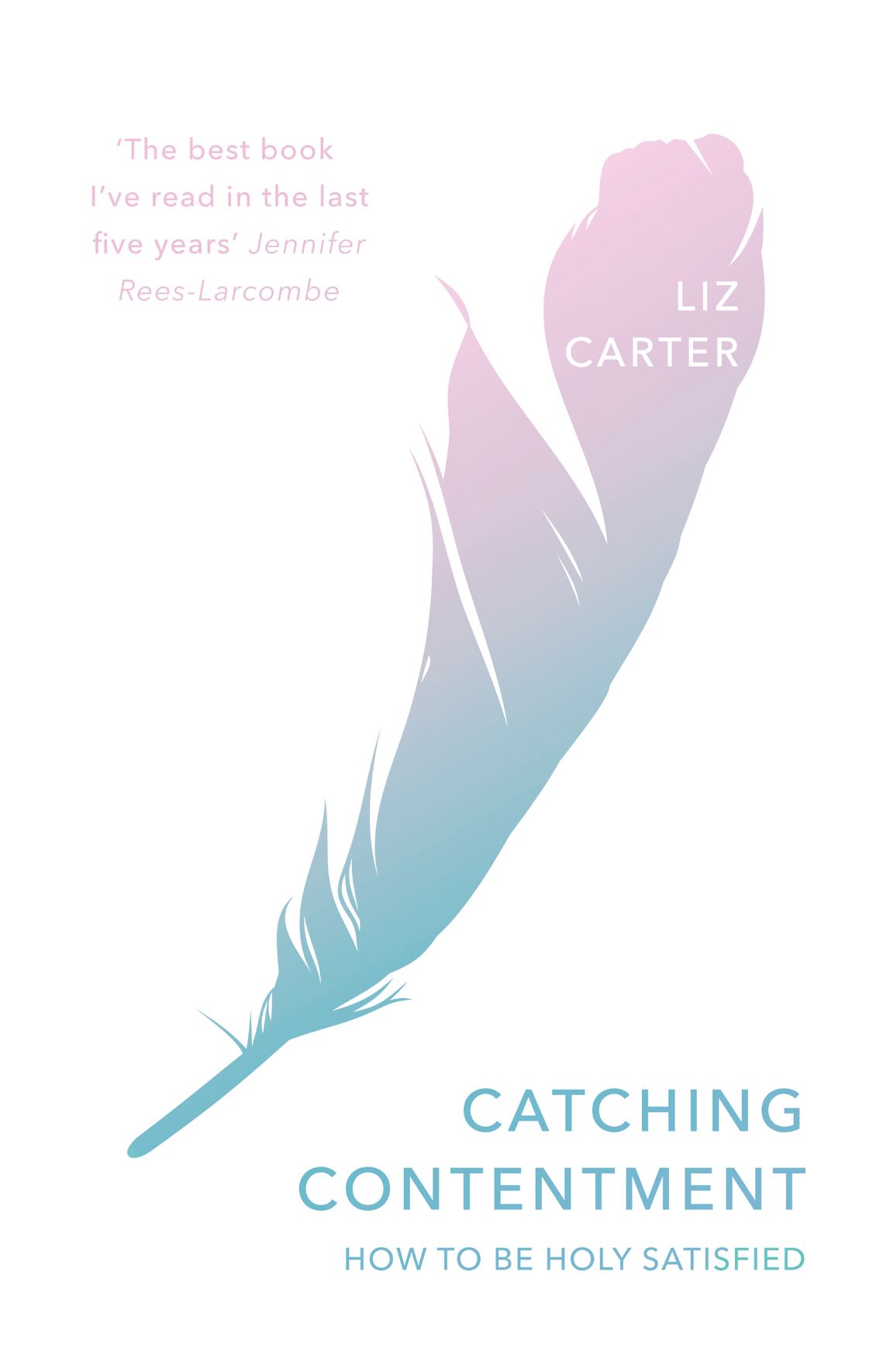
1. Tell us about Catching Contentment. What compelled you to write it?
I think that society often tells us a story. And it’s the story that we should all be striving for happiness, that this is the aim and the meaning in life. And yet, we can’t actually acquire that happiness until certain things are in place. Until we have enough stuff, a good career, healthy relationships, enough money, a healthy body. And, even then, it’s not enough. Happiness or contentment is always somehow just out of reach.
Church can tell us this story, too, but it can be couched in the language of ‘wholeness’, or the idea that because God wants us to live life in all its fullness, we won’t be at peace or contented in life until everything is good for us. Until we are mended and fixed, until we are healthy in body, mind and spirit. We apply our own filters to what we think Jesus meant by life in its fullness.
These narratives are both tapping into a bigger story which underpins all of our stories; and that is the one that tells us there is something deep within us all which needs to be filled. There’s a void at the centre of us which we try to fill up with so many different things.
As a Christian growing up with a long-term progressive disease, I thought I couldn’t get contentment because I wasn’t healed, and that perhaps I should be pursuing healing more, that it was somehow my fault. I felt disappointed; it seemed like I was letting God down because I wasn’t all shiny and happy, I wasn’t living life to the full.
But then I began to reflect on Paul’s statement in Philippians 4, that he’d found the secret to being content in every situation. I wondered what he actually meant by ‘contentment’…
2. What was your favourite book to read when you were little?
I adored the world Enid Blyton created in her ‘Enchanted Wood’ series. Even then, something resonated within me at the idea of a bigger story, that the world is bigger than we see. Besides, I wanted a go on Moon Face’s tree-slide. It seemed like the best thing ever. My early forays into creative writing were Faraway Tree Fan Fiction.
3. Where do you hope to be in 5 years?
I don’t realistically know where I’ll be in five years, because I have an illness which is getting worse. But I’d love to have written more books. When I was eight years old, I told my teacher my ambition was to be an author, but that ambition was knocked out of me by a life of sickness and words others said. But I never lost the longing. It’s always been in me, and more so now than ever. Fiction, non-fiction - everything. Bring it on.
4. What advice would you give anyone who would like to write a book?
Go for it. There is never going to be the ideal time or the ideal circumstances to write a book, and life can put up so many barriers. But there are moments to take hold of, time to wrestle with and situations to work around. Don’t put it off - I did, for too long. And read. Read, read, read. Read everything you can. Over everything else, commit all you do to the Lord. Place God above your own ambitions and hopes, and see how he sparks your creativity and increases your passion.
5. What advice would you give your younger self?
Stop worrying about what people think of you. Stop comparing. You are who God created you to be - all you are is who God dreamed of when he made you, and so you don’t have to be somebody else. Don’t let the negative words others say sink into your soul - listen to God’s words of life, his delight in you. Don’t believe the lie that your continued illness is your fault.
And start writing, for goodness sake. It’s all you’ve ever wanted to do.
Related Posts

Categories
Recent Posts
1
Explore Our March New Releases
17 Mar 2025
2
Counter-rituals for the Christian creative
24 Oct 2024
5
NSBT New North American Publisher FAQ
14 Oct 2024
Support IVP with your donation
Either donate with a one-off donation or subscribe monthly.
Choose a type of donation
I want to donate
 I want to donate