

 I want to donate
Making the conscious choice to find contentment
- New Releases
- 1 Nov 2018
-
25views
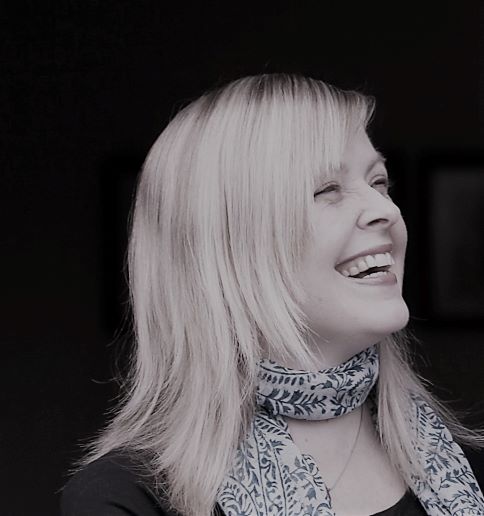
1. You manage a chronic condition. Has writing been therapeutic for you?
I’ve loved writing for as far back as I remember. As a child I would write stories as a way to make sense of the world, often sitting in my sick-bed filling notebooks with my very bad scrawl. In the last few years, I’ve rediscovered the joy writing brings to me, after many years of pushing it aside in the busyness of working life, coping with illness then bringing up children while coping with illness. Finding this delight again has been sustaining and inspiring, and discovering that I can turn to it even on some of my worse days has been liberating.
2. How has writing helped connect you with others who understand what you're going through?
The internet has turned out to be a place of unexpected relief for me, discovering people who have the same condition as me and people who have other chronic illnesses and disabilities. I’ve found a warm community of people who understand and support one another, and my writing has been an integral part of this. People have shared that reading my work has helped them to be more real about their pain, and to feel heard within their darkness, which has been an incredible privilege. I’ve also connected with other writers who struggle with physical and mental health conditions, and we have been able to support and encourage one another within our difficulties. My prayer is that my new book, Catching Contentment, will reassure and strengthen other people on their own journeys, as they grapple with their lived experience of pain in different ways.
3. Terry Waite was held hostage for five years and spent nearly four of them in solitary confinement. He said that writing in his head helped him through. Does writing provide some perspective when you feel debilitated or unhappy?
I’ve been keeping a journal of sorts since I was around 13 years old. Back then, I poured out teenage angst, crushes, bad poetry and self-hatred. Journaling helped me process some difficult times, including bereavements and living with sickness. Over the years, they’ve morphed into prayer journals, with less of the angst but more of the reality of the situation I live with, working it through with God. These diaries have helped me put things in perspective, and reading back on them has often been a very positive experience, seeing God’s fingerprints on my life in ways I’d not realised at the time.
When I feel sad, I go to worship and writing - and worship through writing. I am so grateful that God has placed this desire in me, and sometimes when I’m riding the exhilarating writing wave I’m left breathless with joy and gratitude. Writing doesn’t solve my problems, but worshipful writing takes me to a new place within them.
4. You've been featured in magazines and on writing blogs for your work. How have you grown as a writer through that recognition?
There’s definitely something about seeing your writing in print which gives a boost of confidence. I remember the first time an article I wrote was accepted for a magazine a few years ago - I couldn’t stop looking at it. It didn’t feel quite real! I think that recognition in this kind of way is incredibly encouraging, and in turn helps me to look ahead to what comes next with more certainty about what I am able to do. I’ve had my share of rejections, too, and that never gets easier!
5. Is there a book you've recently read that would have been a great help to you when you were younger?
A few years ago I read ‘God on Mute’ by Pete Grieg and felt like I could breathe a great sigh of relief. Here, at last, was the permission to say out loud that I didn’t feel OK, that God hadn’t healed me, that it was really hard, and that I couldn’t always understand where God was in my pain. The book delved deep into the reality of brokenness, telling the story of Pete’s wife Sammy and her experience of living with a rare brain tumour. This book was like a balm to my soul.
6. Which book do you wish you'd written?
I kind of wish I’d written The Hunger Games, just because it’s such a unique idea and I am a big fan of dystopian fiction <shhh… I might even have written some of my own. Work in progress, at least.> And Harry Potter. But most of all, the Narnia series, because the whole thing is such a great, epic story which reflects God’s great, epic narrative. Plus, it features a warrior Talking Mouse named Reepicheep, and a Marshwiggle called Puddleglum who channels the average grumpy teenager. Genius stuff.
Related Posts
Related Products

Catching Contentment
From £10.99
Categories
Recent Posts
1
Explore Our March New Releases
17 Mar 2025
2
Counter-rituals for the Christian creative
24 Oct 2024
5
NSBT New North American Publisher FAQ
14 Oct 2024
Support IVP with your donation
Either donate with a one-off donation or subscribe monthly.
Choose a type of donation
I want to donate
 I want to donate