


 I want to donate
The Healing Community, an extract from Grieving a Suicide
- authise authise
- Awareness Days
- 10 Sept 2019
-
21views
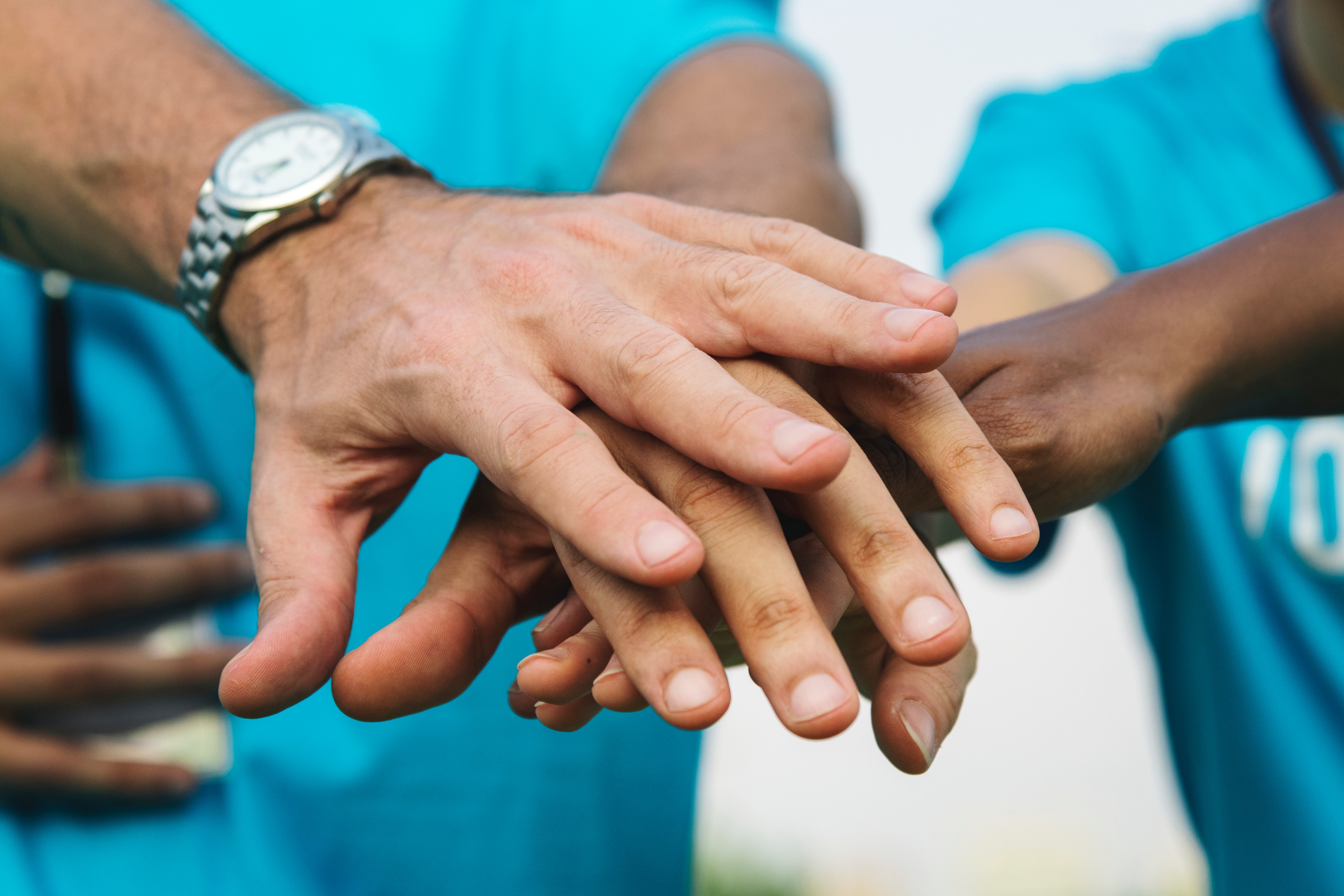
The brochure showed up anonymously in my mail slot at work. “Survivors of Suicide is a support group open to anyone who has experienced the loss of a relative or friend through suicide,” it read. “Survivors need a safe place to explore their feelings of grief and anger, to raise questions and doubts. We will welcome you at any time.”
Six months had passed since my father’s death, and I thought I was holding together well enough. Did I need to attend a support group? I wasn’t sure. The flyer sat on my desk for weeks until I finally told myself that I would check it out. Maybe it would help me in ways I could not yet anticipate.
The session began with a reading of the serenity prayer. Over cookies and juice, members of the group took turns telling stories of what had happened to their loved ones. A sister who had slit her wrists. A fiancé who had hanged himself. Boxes of tissues were passed around as tears flowed.
When it was my turn, I choked up as I told the group my story. I had not cried for my father for some months now, and I was surprised that tears came back so quickly. As heads nodded around the room, I exhaled a long-pent-up breath of relief. These were people who understood the grief of suicide. I didn’t have to worry about what they would think of me or the suicide; they were a community of fellow survivors, helping one another grieve on the journey.
If a suicide loss support group is not available in your local area, you can connect with other survivors through online forums like Alliance of Hope for Suicide Loss Survivors (http://forum.allianceofhope.org). Whether we interact with others in person or online, we all need to be part of some sort of community to help us find healing. Healing rarely comes in isolation. We may be tempted to retreat from the world and hide in our pain, but when we draw on the resources of those around us, we will find that we are not alone in our grief. Even if others have not known the specific loss of a suicide, they can provide comfort to us and ease our burden.
We need to be open to the healing that comes from relationship. All human beings were created with two distinct relational needs: we are designed to be in relationship with God and in relationship with other people. We all have a God-shaped hole and a people-shaped hole. This is why Jesus taught that the greatest commandments are to love the Lord your God and to love your neighbor as yourself. Relationship with God fills the God-shaped hole, and relationships with others fill the people-shaped hole.
Following a tragedy, our soul feels as if it is full of holes. There is a hollow emptiness in our chest, an inner ache of pain and loss. To find healing and restoration, we need to fill that empty hole with both love from God and love from others. We do so through the parallel spiritual disciplines of solitude and community. In solitude we draw near to God and receive his comfort, grace, and reassurance. In community we build relationships with other people who can provide tangible support and kindness.
We need both kinds of love to bring us back to wholeness and health. If we look only to God as our source for restoration, we will withdraw from people and nurture a private, inward-looking grief, which is not healthy. God created us to be in relationship with other people. Likewise, our relationships with people are most helpful when they point us to God. While there is great benefit in talking about our experiences and feelings, we also need spiritual content, time shared in prayer for one another and in Scripture, and other spiritual resources. Otherwise we are merely relying on ourselves rather than turning to the power and comfort of God.
So we must open ourselves to the care and nurture of friends, family, church members, and others who can watch over us and help us. This can make us feel vulnerable, as it exposes us to the potential of reopening wounds of grief. But taking the risk opens us to healing for ourselves, as well as making a difference in other people’s lives.
Just as the human body has the ability and capacity to heal its own wounds, so too the body of Christ can heal itself when one part is injured. A body part does not heal on its own power, in isolation from the rest of the body. It depends on nutrients being digested and carried through the bloodstream, antibodies that ward off infection, and continued health of the overall body to protect the wounded area while it is healing.
So it is with the body of Christ. In the community of the church, healing comes when other parts of the body join together to bring the wounded parts the resources needed for recovery. Some people serve as antibodies, warding off things that might cause further pain. Others are blood cells bringing oxygen and life to the wounded parts and taking away the garbage. The body of Christ has the life of Christ dwelling within it. While we each draw life and hope from God as individuals, we also experience the healing and recovery that come from being a part of his body. God is the source of life, and that life-giving, healing Spirit is experienced most fully when we are living in relationship with other parts of the body of Christ.
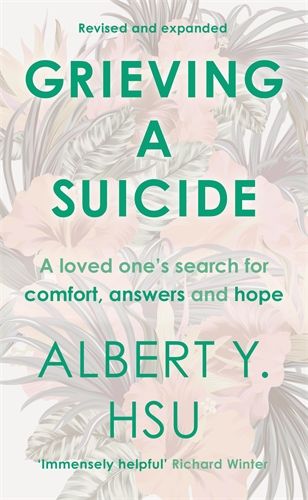
Whether you have lost a loved one to suicide or provide pastoral care to survivors, this book will be an essential companion on your journey.
Related Posts


Categories
Recent Posts
1
Explore Our March New Releases
17 Mar 2025
2

Counter-rituals for the Christian creative
24 Oct 2024
5
NSBT New North American Publisher FAQ
14 Oct 2024
Support IVP with your donation
Either donate with a one-off donation or subscribe monthly.
Choose a type of donation
I want to donate
 I want to donate